What is a Mid-Century Modern House?


A design style from the mid-20th century (1940 - 1960) focusing on simplicity and functionality.
Emphasizes curved lines, geometric furniture, and bringing in natural light.
A blend of warm solid wood with modern materials like plastic, fiberglass, and steel.
Primarily uses earth tones, accented with bright primary colors (Pop Colors) to add liveliness.
Focuses on open spaces with large windows to connect the interior and exterior of the house.
Adheres to the "Form Follows Function" principle. Curved, simple shapes that are practical and maximize space.
High-ceiling hall design helps with ventilation and natural light, connecting residents with nature.
An iconic design emphasizing a light, airy feel and showcasing clear architectural lines.
An easy-to-decorate style that perfectly complements modern homes, especially spacious detached house projects.
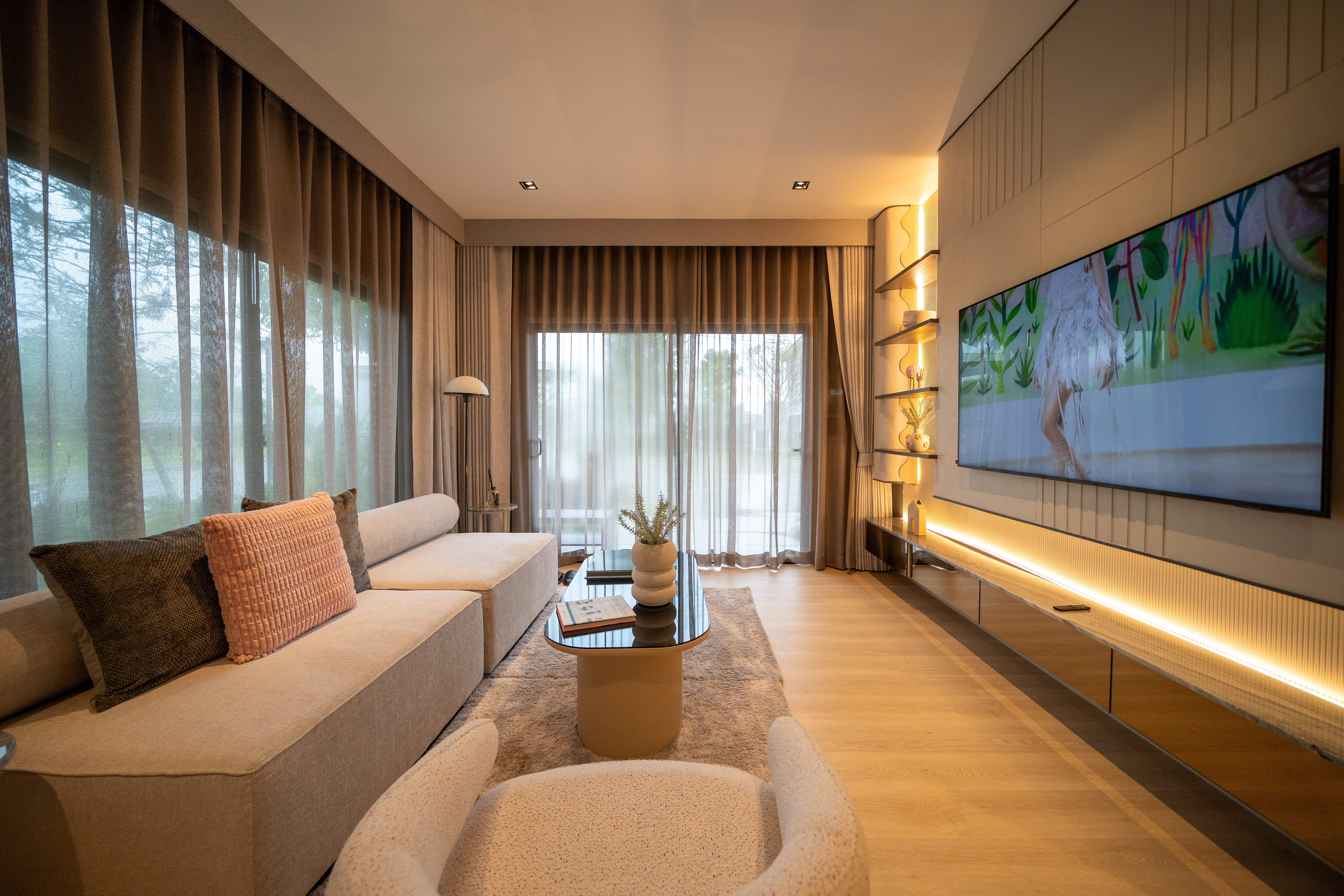
The term Mid-Century Modern is a design approach for architecture, furniture, and graphics that emerged and developed extensively during the mid-20th century (1940s to 1960s). During this post-war recovery era, people desired a new lifestyle, breaking away from the extravagant luxury of the past.
Designers of that era sought to reduce complexity and bulky carvings, replacing them with "Clean Lines," geometric shapes, and organic forms that mimic nature to create something new, accessible, and highly functional.
The core of this style is that beauty must come with utility. Every piece in the house must have its own purpose, not just be placed for aesthetics alone. This philosophy results in furniture and Mid-Century Modern Houses that are light, airy, easy on the eyes, and never feel cramped.
The short answer is its timeless perfection. Mid-Century style homes offer a warmth that ultra-modern homes lack, and a modernity that classic vintage homes cannot provide. It sits right in the middle between retro charm and modern edge, making it easy for new generations who love vintage vibes but still need modern convenience to fall in love with this style.
If you are looking for a house and want to decorate it perfectly in this style, here are the key areas you need to focus on:
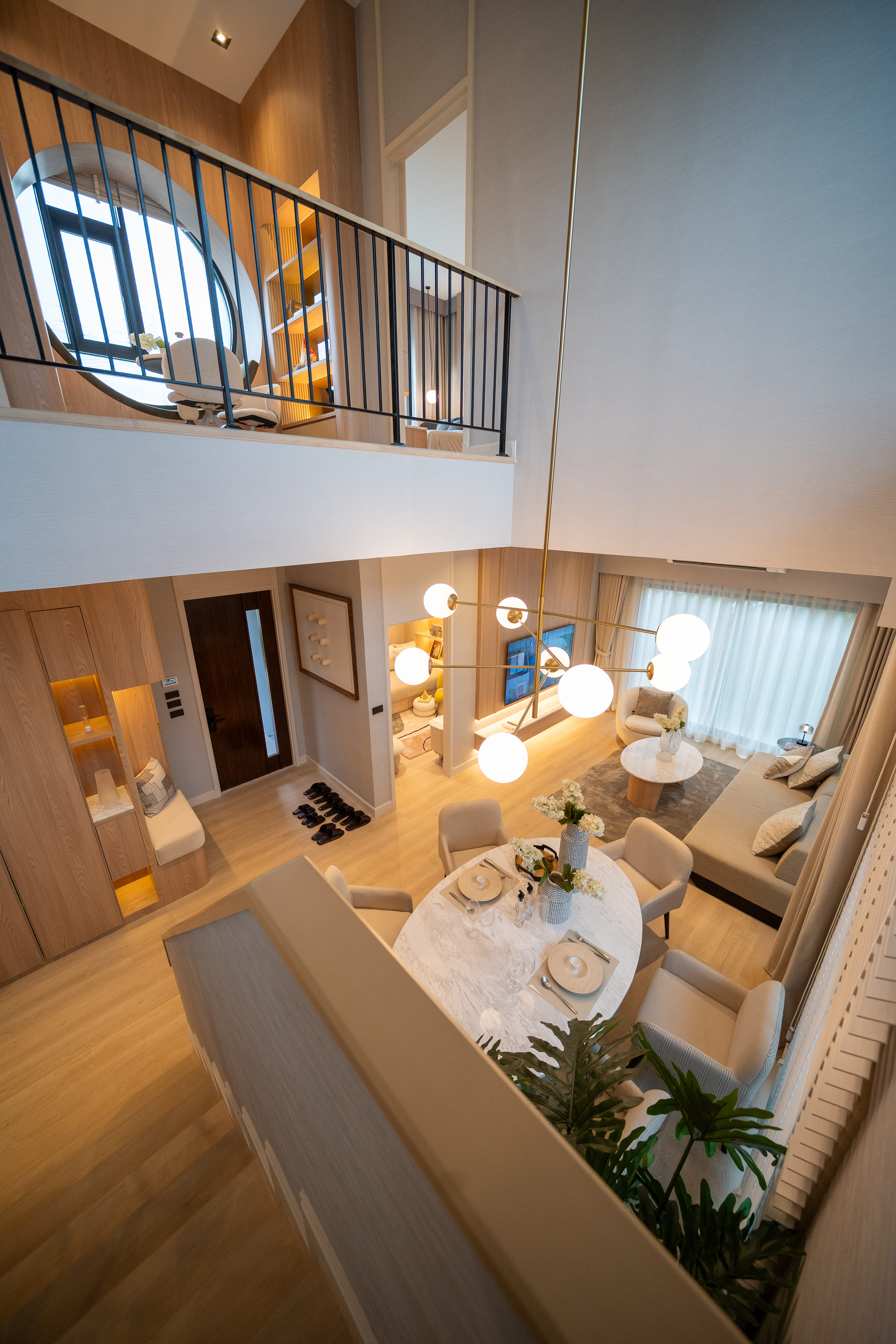
When talking about Mid-Century Modern home functions, the first standout feature is the Open Plan layout combined with a high-ceiling Double Volume hall. This allows for excellent air circulation. The installation of large floor-to-ceiling windows welcomes sunlight, creating a seamless connection between the indoors and outdoors.
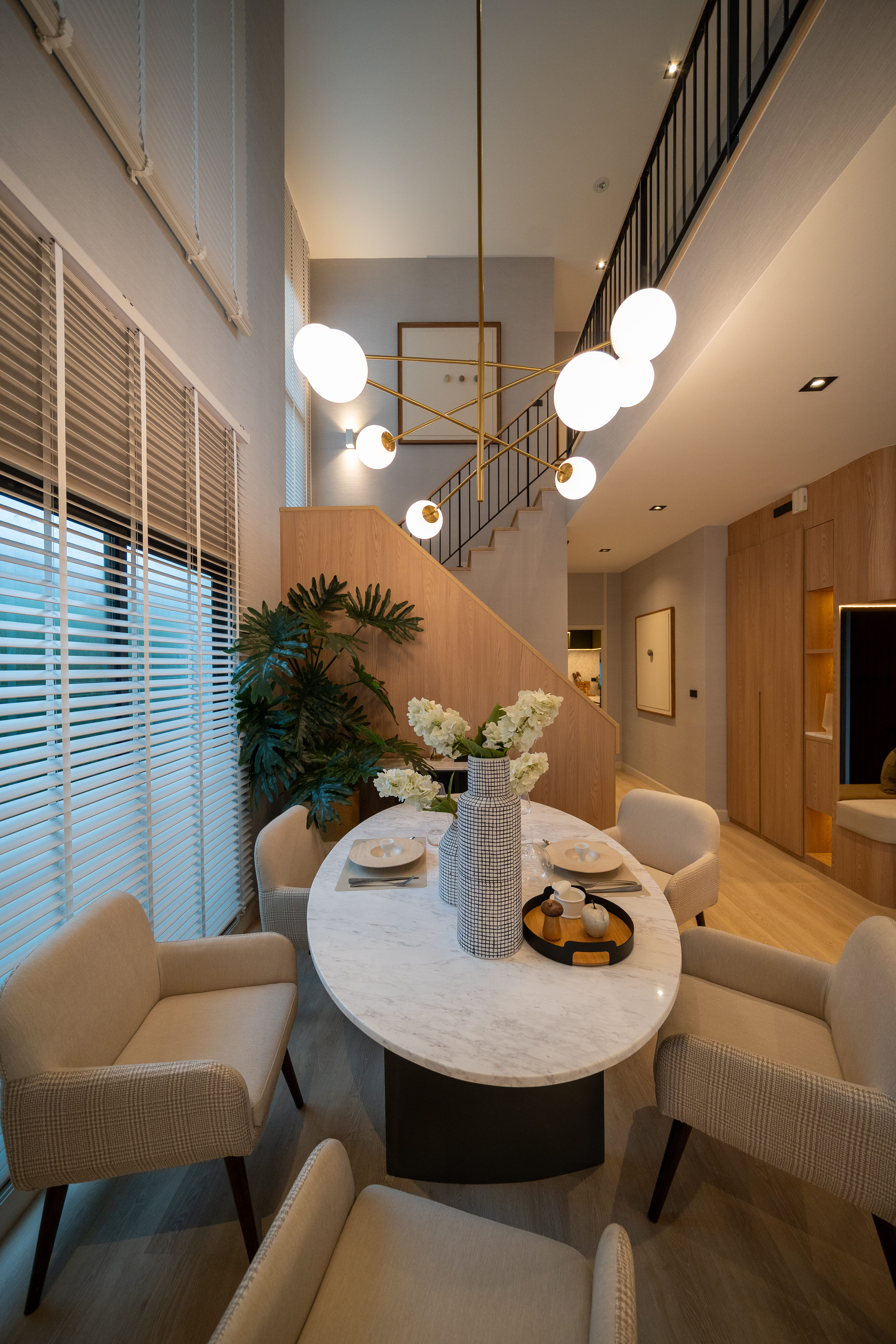
Stairs are often stripped of their bulkiness, designed as steel structures with floating supports, hardwood treads, and no risers (Open Riser). This allows light to pass right through the staircase, acting like a masterpiece sculpture in the middle of the house.
Furniture and structures in this style lack carved patterns. The structures are clean with natural organic curves, such as teardrop-shaped coffee tables or chairs with curved backrests that contour to the body.
A signature look recognizable at a glance is that furniture often features "slender tapered legs" that splay outward slightly. This makes the furniture look airy, floating, and not blocky, which in turn makes the house feel more spacious.
This era was the pioneer of synthetic materials, so we get to see a fun blend of nature and science:
The base of the room is usually a natural color like white, cream, wood brown, or olive green, but with pops of bright color in small spots—such as mustard orange, bright yellow, or turquoise blue—through throw pillows, armchairs, or paintings.
Architecture in this style often uses large glass panels instead of solid walls to draw in natural light and allow people inside to see the green garden outside, as if the interior and exterior spaces are connected as one.
Understanding what Mid-Century is and trying to apply Mid-Century home decor ideas will help you discover that great design doesn't have to be complex or uncomfortably luxurious. Its true charm comes from the balance between form, function, and a sense of openness.
A good home should offer functions that answer your lifestyle needs. If you love the airiness, clean lines, and natural warmth of this style, try applying the techniques above to decorate your favorite corner. You will find that this atmosphere from the past, retold today, can miraculously inspire modern living.
