Cape Dutch Revival Homes : A Deep Dive into the Architecture


When discussing classic home styles that radiate elegance without being overly flamboyant, many might envision familiar European or Colonial styles. However, there is a particular style currently gaining momentum in the high-end real estate market: the "Cape Dutch Revival House." This architectural style boasts a history spanning over 300 years while retaining a timeless charm that remains relevant today.
SC will guide you through the intricacies of the Cape Dutch Revival House—from its historical roots and defining architectural characteristics to how its concepts are applied in modern home design. This comprehensive overview is designed to assist your decision-making, whether you are actively seeking to live in this style of home or simply gathering inspiration for the future.
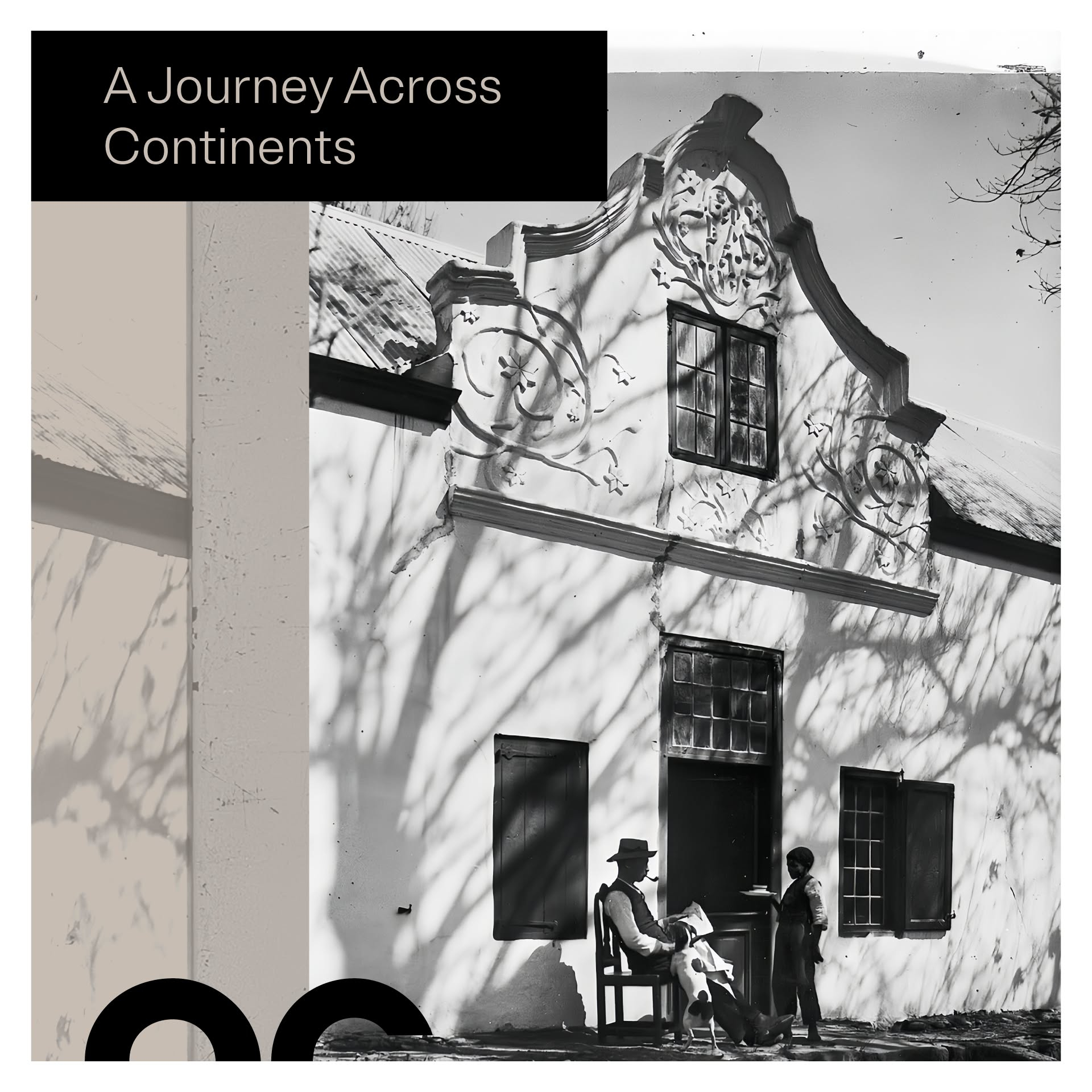
Cape Dutch is an architectural style that originated in the Cape region of South Africa during the 17th and 18th centuries, introduced by Dutch settlers. These pioneers blended European architectural elements—predominantly from the Netherlands, Germany, and France—with local materials and climate conditions, resulting in an unparalleled and distinctive identity.
The term "Revival" indicates the resurgence of a traditional style, updated and reinterpreted to suit contemporary times. This approach is widely adopted by architects globally for various classical styles, such as Colonial Revival or Georgian Revival. The Cape Dutch Revival maintains the core essence of the original architecture while seamlessly adapting it to accommodate modern functionalities and advanced construction technologies.
In recent years, the global luxury home design sector has increasingly sought styles that are not only "unique" but also offer the authentic warmth of a true home—moving away from cold, sterile luxury. Cape Dutch Revival perfectly fulfills this desire. Its classic appeal has been tested over centuries, yet it possesses the flexibility to be seamlessly adapted to diverse contexts worldwide, including Thailand.
To determine whether a home truly embodies the Cape Dutch Revival style, one must observe these essential and defining elements:
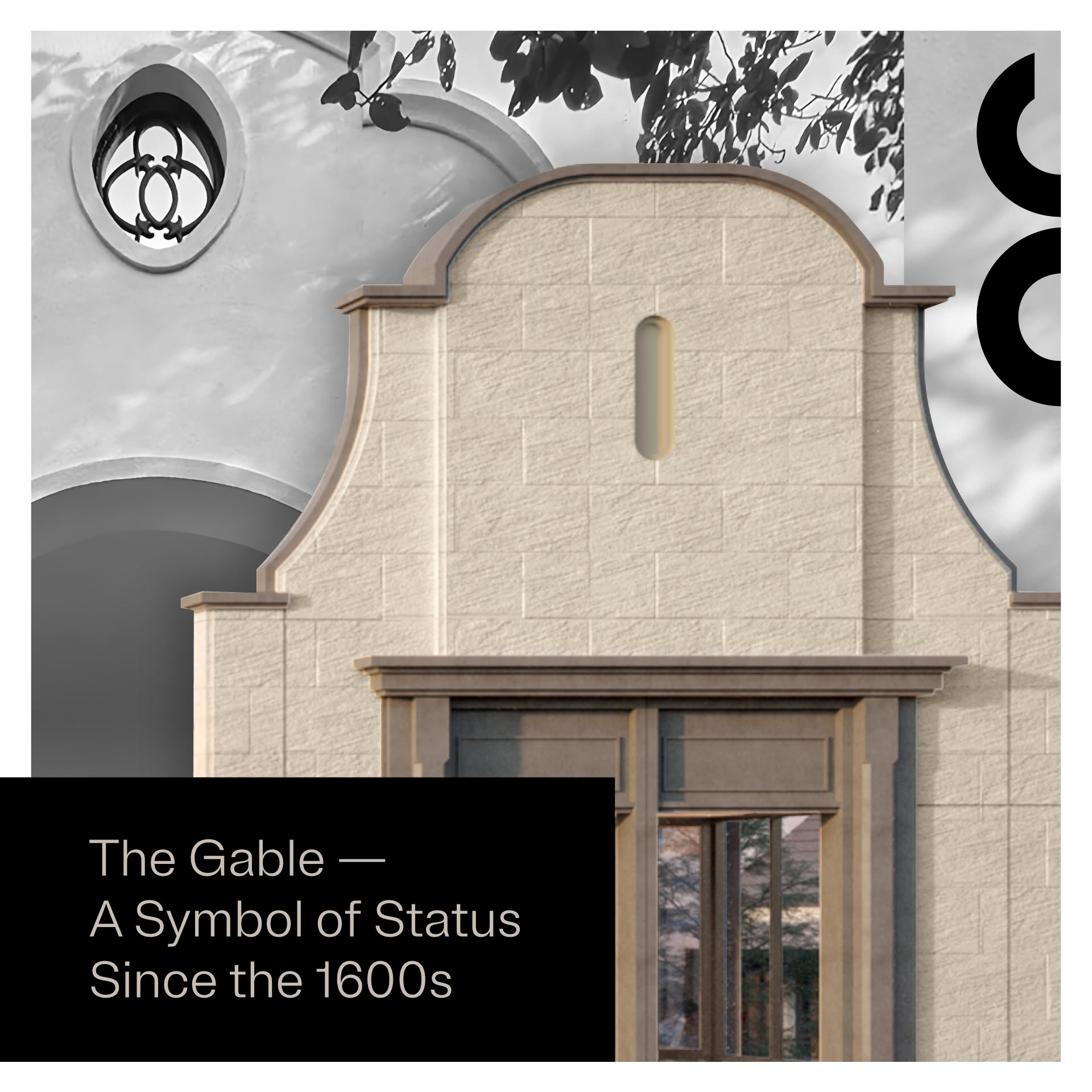
The most striking feature of this style is the curved gable typically positioned at the center of the facade or above the main entrance. Its undulating, graceful curves often resemble a piece of fine sculpture rather than a mere structural component. These gables are frequently adorned with intricate stucco patterns or subtle decorative details that add depth and dimension to the home's exterior.
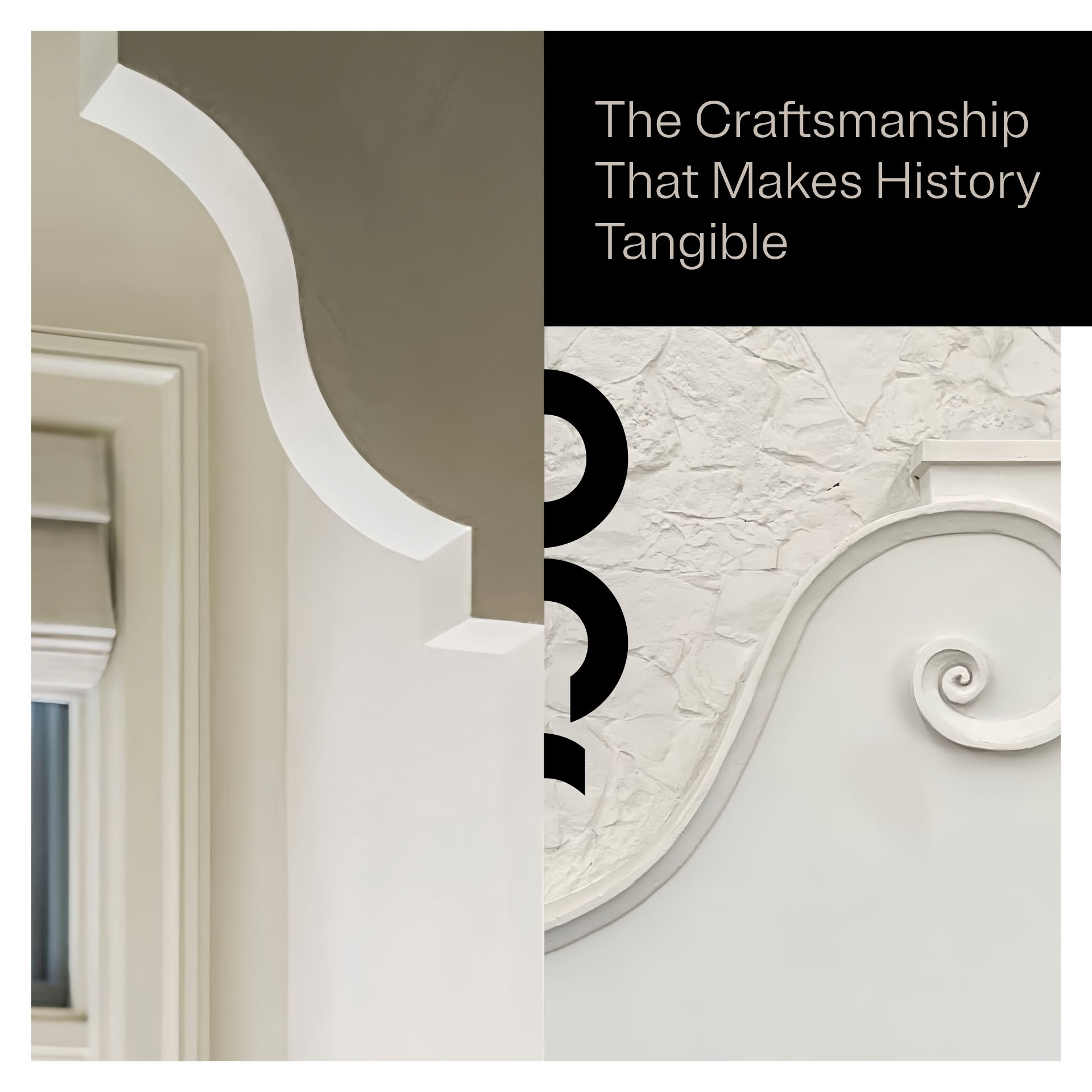
White is the definitive color palette for almost every Cape Dutch Revival home. Historically, walls were coated with lime wash to reflect heat and maintain a cool interior. Beyond its functional benefits, the crisp white backdrop brilliantly highlights the elaborate details of the curved gables and window frames.
The roofs of this architectural style are characteristically steep. While traditionally thatched with reeds or palm leaves, modern iterations often utilize roofing tiles for enhanced durability and easier maintenance, all while preserving the iconic steep roofline.
Cape Dutch Revival homes typically feature small, multi-paned windows arranged in perfect symmetry on either side of the central gable. This orderly layout imbues the facade with a sense of discipline, elegance, and visual harmony.
An indispensable element of this style is the front porch, traditionally known as a "Stoep" in Afrikaans. This semi-outdoor living space serves as an area for relaxation, welcoming guests, and bridging the transition between the indoor sanctuary and the natural surroundings. It is a defining feature that beautifully reflects a lifestyle in harmony with nature.
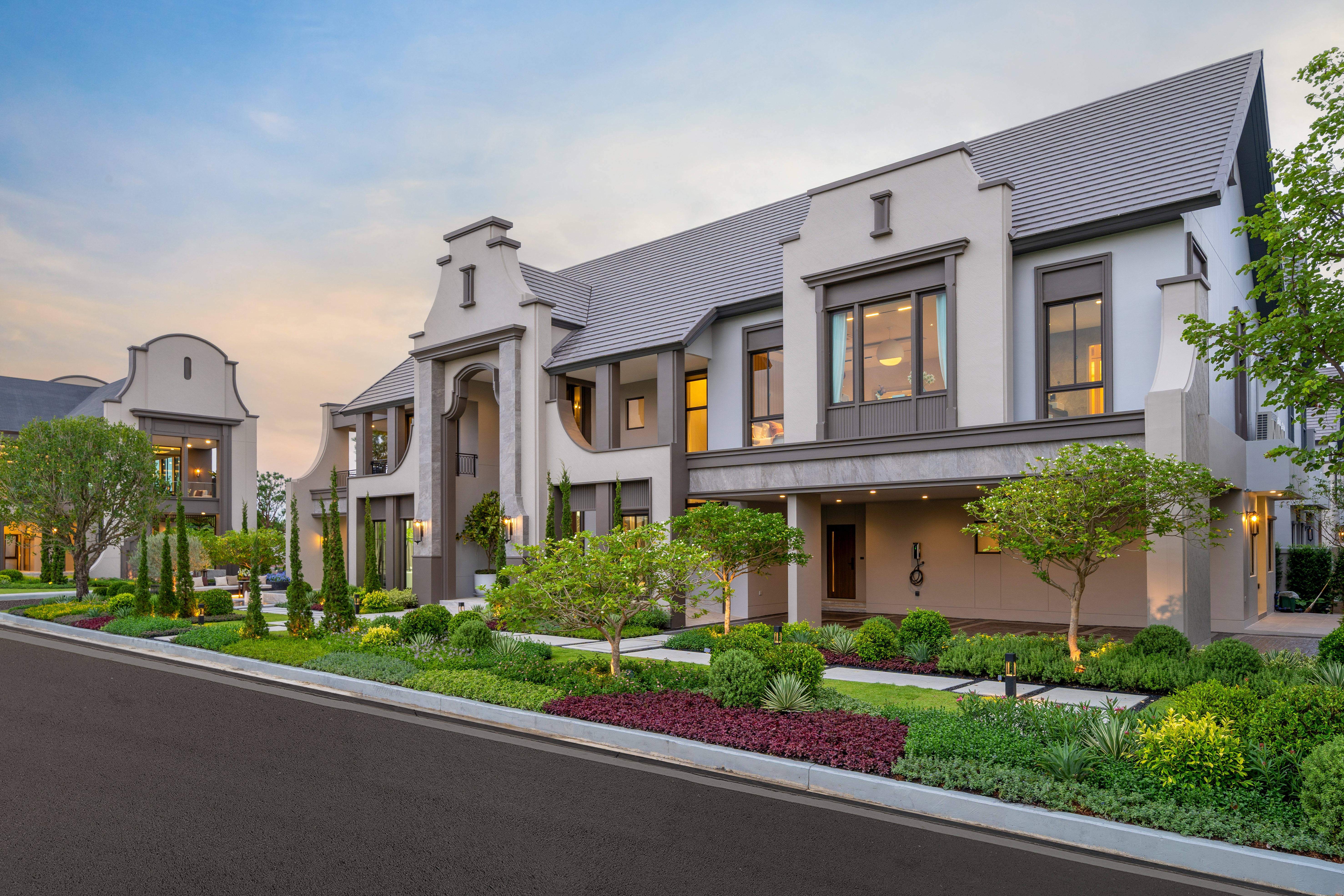
Grand Bangkok Boulevard Ratchaphruek-Pinklao Project
Although the Cape Dutch Revival originated in South Africa—which features a distinctly different climate from Thailand—its flexible design principles allow it to be flawlessly adapted for a tropical setting. Modern architects typically make the following modifications:
Rather than relying strictly on traditional materials, contemporary designers opt for alternatives that withstand high humidity and intense sunlight. Examples include specially formulated plaster that reflects heat or roofing tiles treated with thermal coatings, ensuring the home remains pleasantly cool despite the tropical heat.
Given Thailand's year-round hot and humid climate, adapting the Cape Dutch Revival style often involves incorporating strategically placed ventilation grilles, large operable windows, or high transoms to encourage cross-ventilation. This ensures excellent airflow while preserving the style's distinctive exterior profile.
Today's Cape Dutch Revival homes are not merely visually stunning; they are engineered to meet the practical demands of the modern family. Features such as ample parking, smart home technology integrations, surrounding lush green spaces, and advanced security systems are paramount considerations for premium real estate developers.
If you are interested in exploring how classic architectural concepts can flawlessly merge with modern urban living functions, you can find further details at the Grand Bangkok Boulevard Ratchaphruek-Prannok project. It stands as an exemplary model of a luxury residence that prioritizes meticulous architectural design and intricate detailing.
Defined by unique architectural lines that have stood the test of centuries, this style carries minimal risk of ever appearing dated, unlike fleeting design trends that may lose their appeal within a few short years.
Homes boasting distinct and extraordinary architecture consistently command greater attention and present higher visual value than standard builds. This advantage applies both while you are living in the home and when considering its future legacy.
Typically designed with expansive living spaces and inclusive communal areas—such as the iconic Stoep or front veranda—this home style naturally accommodates large families seeking ample room for shared activities.
.jpg)
Because the Cape Dutch Revival style demands precise architectural detailing—such as the exact curvature of the gables, intricate stucco work, and balanced window proportions—selecting a project managed by a highly skilled design and construction team is crucial. Substandard execution can severely compromise the aesthetic integrity of this unique style.
Regardless of a home's architectural brilliance, location remains the most critical factor in real estate. It is vital to evaluate the convenience of transport links, the quality of neighborhood amenities, and the potential for future development in the area.
Homes in this style are generally positioned within the premium luxury market. It is advisable to plan your budget carefully and ensure that the interior layout and functionalities genuinely support your family's daily lifestyle, rather than being swayed solely by the captivating exterior.
It is common to confuse the Cape Dutch Revival with other traditional styles, such as Colonial or Neoclassical architecture. The key distinctions are as follows:
Colonial architecture predominantly emphasizes straight, simple, and rigorously symmetrical lines. In contrast, the Cape Dutch Revival is characterized by its prominent curved gables, lending it a much more distinctive identity and generally evoking a warmer, more inviting visual appeal.
Neoclassical architecture draws heavily from Greek and Roman antiquities, often featuring grand columns and imposing triangular pediments. The Cape Dutch Revival, while simpler in its core structure, distinguishes itself through the refined detailing of its curved gables and the unique, welcoming presence of its front porch areas.
Yes, provided that appropriate material selections and design adjustments are made to accommodate the tropical, humid environment. This includes utilizing heat-reflective materials and incorporating intelligent ventilation strategies.
Original Cape Dutch refers to the historical architecture of 17th and 18th-century South Africa. The Cape Dutch Revival is the contemporary reinterpretation of that historical aesthetic, updated with modern materials, advanced construction technologies, and functional floor plans suited for today's living standards.
It is ideal for families who admire classic elegance but refuse to compromise on modern conveniences. It is also perfect for those seeking a distinguished, unique property that can serve as a generational family estate.
If high-quality, weather-appropriate materials—such as premium exterior paints and durable roofing tiles—are utilized during construction, the maintenance is comparable to that of any other high-end home. Routine inspections of the facade and roof are recommended to ensure longevity.
It is recommended to conduct thorough research on the specific project, its location, and the reputation of the developer. Visiting the show homes is highly advised to personally inspect the build quality and determine if the layout effectively complements your lifestyle.
